
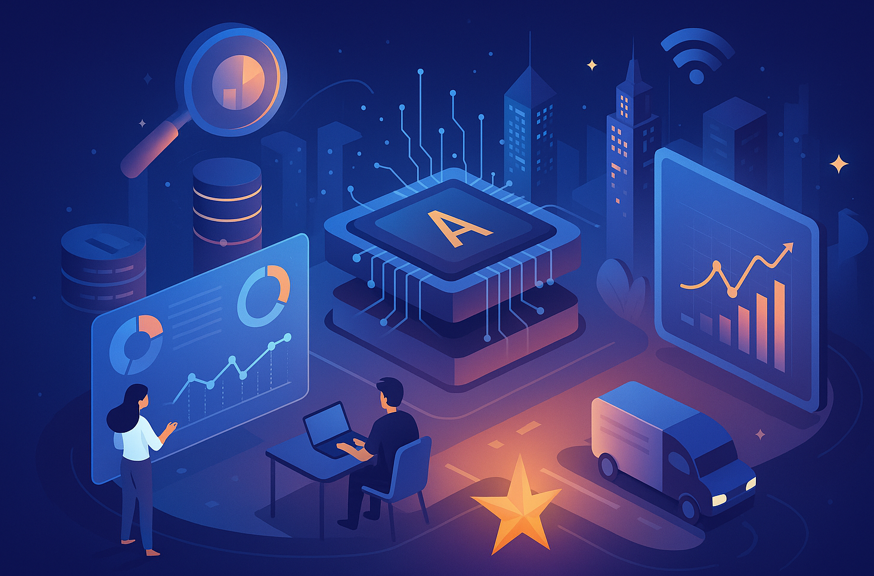
How Predictive Software Is Reducing Waste in Logistics, Finance, and Healthcare
In a world that thrives on efficiency, predictive software has emerged as one of the most transformative tools across industries. From minimizing costs to maximizing resource utilization, intelligent prediction algorithms are rewriting the rules of operation. Let’s explore how this silent revolution is reshaping logistics, finance, and healthcare.
1. Logistics: Turning Guesswork into Precision
Before predictive software, logistics was plagued by uncertainty—delays, unused capacity, and wasted fuel. Today, AI-powered tools analyze real-time data from GPS, traffic, weather, and inventory systems to make hyper-accurate forecasts.
Key Impacts:
Route Optimization: Predictive routing cuts delivery times and fuel use.
Demand Forecasting: Smart warehousing anticipates stock levels, reducing overordering and understocking.
Asset Utilization: Fleets are used more effectively, with less idle time and wear.
💡 Result: Companies like DHL and UPS report savings in the millions through predictive logistics.
2. Finance: From Reactive to Proactive Risk Management
Predictive analytics in finance isn’t just about forecasting market trends. It’s becoming the backbone of fraud prevention, credit scoring, and personalized banking.
Key Impacts:
Fraud Detection: Algorithms identify suspicious patterns before fraud occurs.
Credit Scoring: Fintechs use behavioral data to predict repayment likelihood better than traditional models.
Market Insights: Investors use predictive models to stay ahead of volatile markets.
💡 Result: Banks using AI in credit and fraud systems report up to 30% fewer defaults and false positives.
3. Healthcare: Saving Lives Through Data
In healthcare, timing is everything. Predictive software is helping doctors make better decisions faster and reducing waste in diagnosis, prescriptions, and hospital resources.
Key Impacts:
Predictive Diagnostics: AI detects diseases like cancer earlier than ever.
Hospital Resource Management: Bed availability, equipment, and staff schedules are forecasted precisely.
Patient Outcomes: Risk models predict post-surgery complications or readmissions, enabling proactive care.
💡 Result: Hospitals using AI-powered prediction have reduced ER wait times and improved recovery outcomes.
The Bigger Picture: A World Without Waste
Across industries, predictive software transforms data from a burden into a superpower. It helps companies:
Save costs by avoiding unnecessary actions.
Increase sustainability by using fewer resources.
Improve service by staying one step ahead of needs.
This is not just about efficiency—it’s about responsibility. Predictive software isn’t replacing human decision-makers. It’s making them better, faster, and more effective.
Conclusion
As we step into a future driven by intelligent systems, predictive software stands at the intersection of innovation and impact. Whether it’s moving goods, money, or healing people—prediction is the new currency of success. Companies that embrace it early won’t just lead—they’ll define the next era of human progress.